
Kyoto
Posts about Alex Hurst’s life in Kyoto. From 2010–2016.
-

G is for 庭
is for niwa, or the Japanese word for Garden. The only place more ubiquitous to Japan than shrines and temples are gardens, and its not uncommon to see one or two of them inside the former two. In fact, one of the major draws to the lesser-known temples, shrines, estates and palaces in Japan is…
-
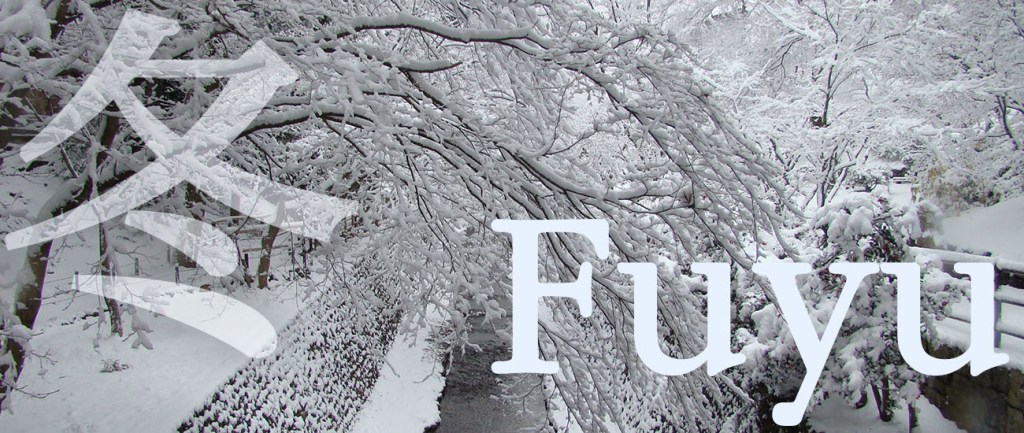
F is for 冬
is for fuyu, or the Japanese word for Winter. While autumn is my favorite season for its cool temperatures and fiery colors, winter in Japan is easily one of the most beautiful times to be here. Especially in Kyoto and Hokkaido, the snow is thick, powdery, and pristine. Japan’s placement on the Ring of Fire ensures…
-

E is for 興
is for kyou, or the Japanese word for Entertainment. If nothing else can be said for life in Japan, it’s that there is always something to do. Whether you are in the city, suburbs, or rural areas two hours from any train station, there is something going on. Festivals, plays, fireworks, street performances, ceremonies, gourmet fairs,…
-

D is for 地異
is for chii, or the Japanese word for Disaster. Japan sees its fair share of natural disasters every year. With all of the typhoons, earthquakes, flash floods, and volcanic activity, it’s hard to imagine how so many of Japan’s national treasures have survived the last two millennia in one piece. While natural disasters are not something I…
-

C is for 文化
is for bunka, or the Japanese word for Culture. It’s hard to think of Japan without thinking about its amazing culture. Whether you’re looking at the premodern, modern, or even post-modern, Japan has you covered, and it’s a country that is proud to show it off. In Kyoto alone, the culture of maiko, Heian court, Buddhism, hipsters,…
 Ariel Hudnall