
Kyoto
Posts about Alex Hurst’s life in Kyoto. From 2010–2016.
-

S is for 神社
is for jinja, or the Japanese word for shrine. Kyoto has literally hundreds of shrines within the city limits, but today I want to talk about one of the most famous (and voted #1 attraction in all of Japan last year): Fushimi Inari Shrine. Fushimi Inari is one of the most famous and recognizable shrines in…
-
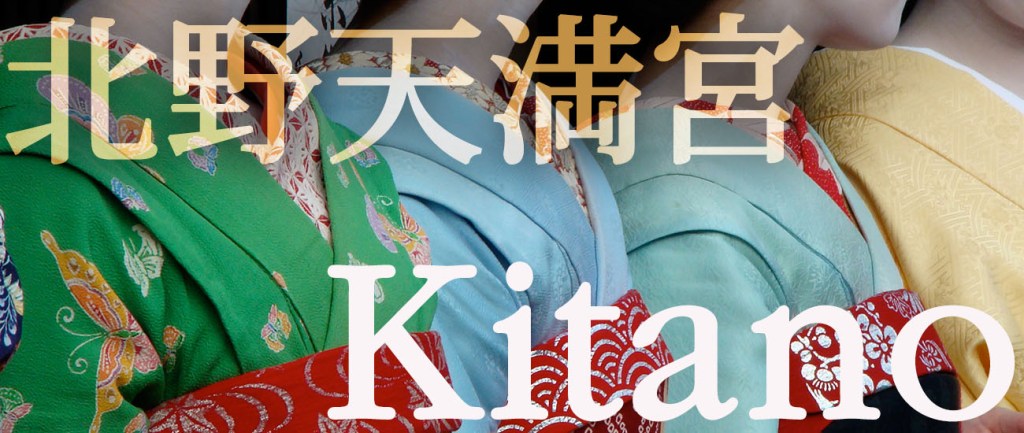
K is for 北野天満宮
is for Kitano, or for the temple known as Kitano Tenman-gu. It was the first temple I ever went to in Kyoto, and was about ten minutes away from my first apartment. When I first walked around it, I wanted to do my homework there – I didn’t know at the time that the temple enshrines Sugawara Michizane, the patron deity…
-

J is for 旅行
is for ryokou, or the Japanese word for a travel-related Journey. One of the nicest things about being in Japan is its close proximity to other countries. NJ and I have been lucky enough to be able to visit a couple of them during school breaks (our yearly bonuses from work), though it isn’t uncommon to hear students…
-
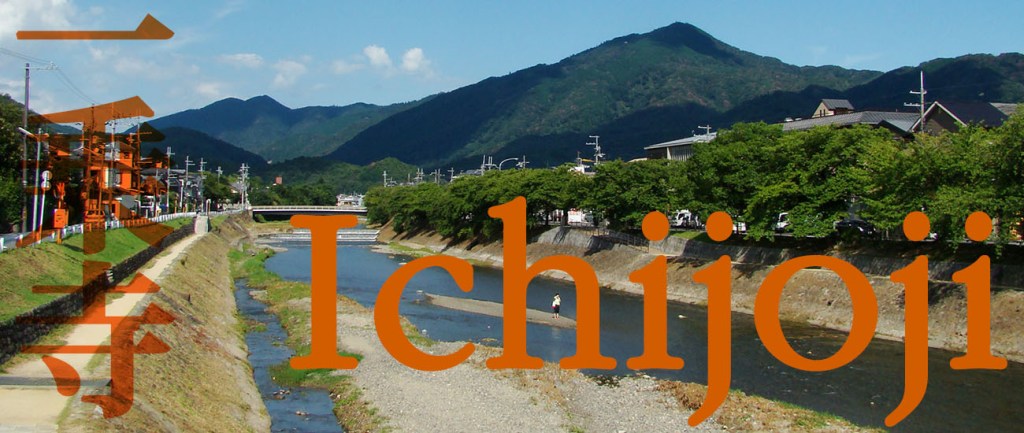
I is for 一乗寺
is for Ichijoji, or the place known as my neighborhood. Ichijoji has been my home for about four years now. It is a charming, slightly grungy area of Sakyo-ku (East Ward) that is also known as Ramen Ally. To be honest, I haven’t actually eaten that much ramen around here, but that’s because I’m a creature…
-
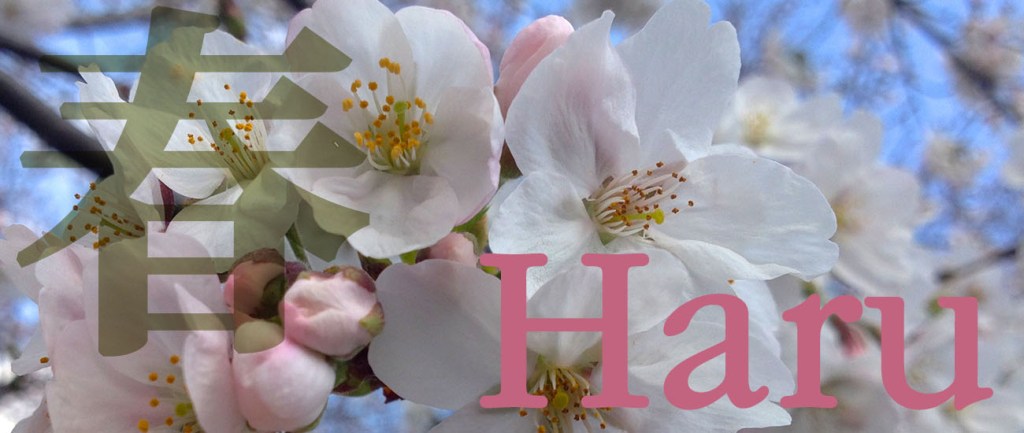
H is for 春
is for haru, or the Japanese word for Spring. Sometimes, the winters in Japan feel unbearably long. In February, all of the traditional holidays surrounding the coming of spring happen, but the season doesn’t actually start feeling present until about April. Then, all of sudden, as quickly as the cherry blossoms burst (spring’s most famous feature),…
 Ariel Hudnall